


Creating B2B video content can be a powerful way to connect with engineers, manufacturing specialists, or other technical professionals. But for companies with complex products or highly detailed written material, translating that content into engaging videos can be a challenge. Let’s take a look at a few B2B video content strategy tips to turn technical content into videos that engage your audience and convert leads.
B2B Video Content Strategy Tips to Turn Technical Content Into High-Performing Videos
Why Use Video?
First, why bother turning your technical content into videos at all? If you already have a library of useful, effective PDFs or similar documents that helps to convert readers into leads, isn’t this enough? Certainly there’s nothing wrong with this approach, however there’s likely untapped potential here. Your audience (and, potentially, your competitors) are highly likely to be active on at least one social media platform. And your potential leads are likely to be researching your products or services online. That’s where video content comes in.
Video and Social Media Engagement
Video is a highly effective format to use on social media. Data indicates that users share videos at twice the rate of any other form of content. In fact, about 85% of marketers say short-form video is the most effective social media format. If you regularly engage with your audience on LinkedIn or Facebook, for example, or you have a following on either platform, video content can be a powerful tool for further engagement. Or, you may have noticed competitors utilizing social media to engage with potential leads. In either case, turning your technical content into engagement videos can help you extend your reach and build authority in your industry.
Video and Organic Search Visibility
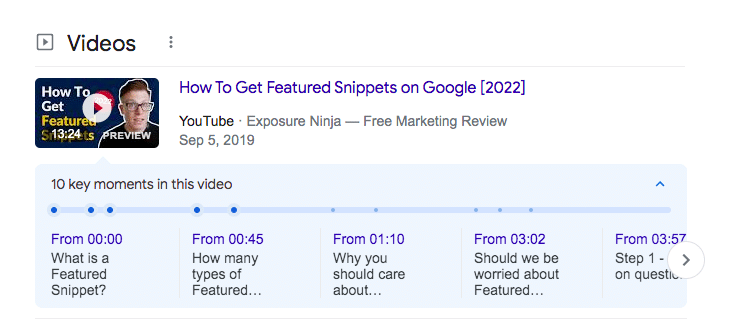
You might see video snippets like this highlighted at the top of some SERPs.
Video content serves another important purpose; it answers potential leads’ questions. YouTube is the world’s largest video platform, and it’s also the second most-popular search engine. As potential leads research your products or services, address their doubts or concerns, or look for solutions to their problems, they’re likely to use videos.
In recent years, you may have noticed more videos appearing on a search engine results page when you enter a search. This may be because Google, among other search engines, recognizes many users’ preference for video content over text-based content, and strives to provide an appealing multi-media experience. This might also be Google’s desire to build up its video platform, YouTube, and maintain the site’s prominence in the video space. Either way, users are more likely to encounter and use videos to aid in their search.
An Alternative to Expensive Ads
Both of these factors can be especially impactful as Google Ads and similar ad spaces have become more expensive and more competitive. Google Ads costs can vary widely, from $0.51 to $1000 per 1000 impressions, however most marketers agree that costs have risen substantially in recent years. Moreover, anywhere from 30 to 42% of people use adblockers of some variety. These factors combined make organic content, like videos, more appealing to both businesses and potential customers.
With all of this in mind, let’s take a look at some B2B video content strategy tips.
1. Choose the Right Content
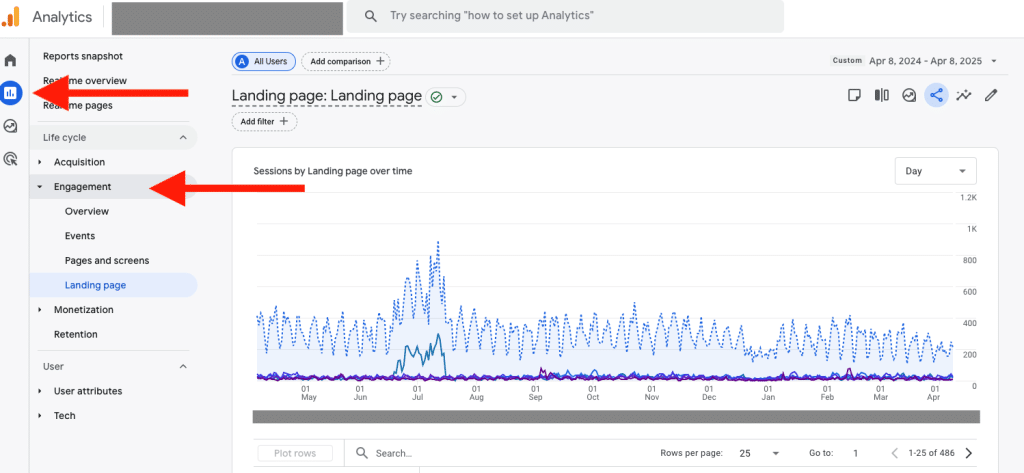
Google Analytics is a good place to hone in on content that performs best. Use the Engagement section in the Reports view to dig into pages and content that’s getting attention.
Before diving into production, it’s important to first identify which content is most likely to succeed in video form. Instead of attempting to translate everything, focus on the pieces that already demonstrate strong engagement or relevance.
Start with Existing Top-Performing Content
Review which articles, whitepapers, or presentation topics have:
- Received the most traffic
- Been frequently downloaded or requested
- Prompted questions or follow-up discussions with prospects or customers
This gives you a data-driven starting point and ensures your video content is rooted in real interest.
Prioritize Customer Questions
Look for repeated questions from engineers, buyers, or OEM contacts. If your sales team often fields inquiries about how your materials perform in specific applications, or if designers frequently ask about manufacturing compatibility, those questions can be the foundation for short, focused videos.
Segment Into Bite-Sized Topics
Don’t try to cover an entire 20-slide technical deck in one video. Instead, break the content into small, digestible topics. One whitepaper or PowerPoint presentation could become a series of five or six concise videos, each focused on a single key concept.
Build Around a Pillar Topic
Consider identifying a broader topic that could act as a “pillar” video. This piece can anchor a larger content campaign, with related short videos feeding into or branching off from it.
2. Make it Engaging
Once you’ve chosen the right content to feature, focus on how to present it in a way that’s clear, professional, and engaging—without losing its technical depth. This can be a hard balance to strike, but a few tips can help.
Keep It Structured and Clear
Use a clear narrative flow: start with the problem or challenge, introduce the relevant technology or process, and explain how your product or solution addresses it. Avoid jumping between topics or overloading the viewer with jargon up front.
Use Visual Aids Thoughtfully
Graphics, charts, and animations help explain complex concepts more effectively than text alone. Use them to show data comparisons, material structures, or performance differences in a way that complements the narration.
Ground Concepts in Real-World Examples
Where possible, connect technical ideas to familiar processes or industries. For instance, instead of simply stating the features of values of a particular product, show how that affects performance in an actual use case.
Keep Production Professional, Not Flashy
Avoid overused transitions, animations, or sound effects. Instead, focus on clarity, sharp visuals, and good pacing. A technically sound, visually clean video is more appropriate—and trustworthy—for engineering and manufacturing audiences.
3. Optimize for YouTube and Google Search
Even the best video won’t perform well if it’s difficult to find. Optimization helps your content appear in front of the right audience on platforms like YouTube and Google.
Use Clear, Keyword-Rich Titles
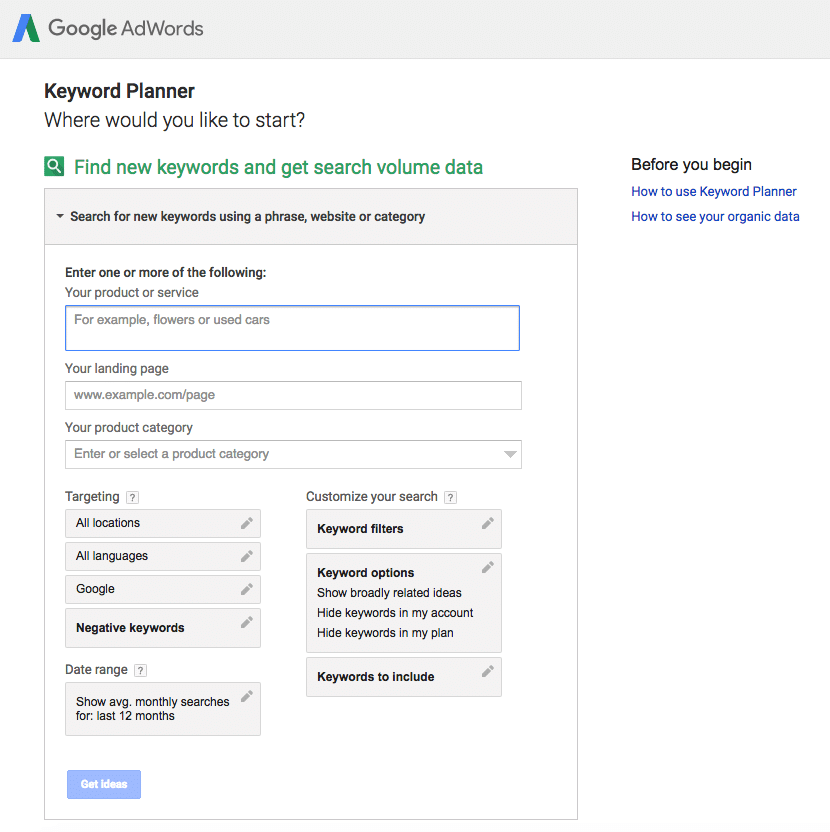 Include relevant phrases that users are likely to search for in your title. This data can be difficult to find, especially for niche industries, but a few tools and strategies can help. Many SEO tools, like Google’s Keyword Planner (above) gather data about users’ searches, and can show you what industry-related keywords are ideal to incorporate. Avoid vague titles like “Product Overview” or “Company Explainer,” which won’t tell your user much and tells search engines even less.
Write Effective Descriptions
Your video description should include a short summary of what the video covers, links to related resources, and naturally written keywords. This helps both search engines and users understand what the content is about.
Include Chapters or Timestamps
Segmenting the video with timestamps (e.g., “0:00 Introduction,” “0:42 Induction Heating Explained”) improves usability and increases the chance of being featured in Google search results with rich snippets.
Create a Strong Thumbnail
Use a custom thumbnail that includes a graphic, short title, and relevant image. This improves click-through rates and helps differentiate your video from others in a search feed.
4. Extend Your Video’s Reach Across Platforms
To get more value out of each video, integrate it across your broader content ecosystem. It makes sense to post your videos to YouTube, but, as previously mentioned, these videos can also be valuable on your social media. They can also work well on your website landing pages, or in emails.
Post to LinkedIn and Twitter
Share videos directly or embed short clips with a link to the full video. Tailor your messaging for each platform and include hashtags where appropriate. On LinkedIn, consider tagging industry groups or using product-focused hashtags.
Embed in Website Content
Add the video to relevant service pages, blog posts, or product pages. This not only boosts engagement but can also improve SEO and time-on-page metrics or dwell time.
Share in Email Campaigns
Include the video in email newsletters or targeted campaigns. A subject line like “New Video: How Our Machines Improve Manufacturing Performance” can draw attention from engineering leads or current customers.
5. Engage With Your Audience
Publishing a video is just the beginning. Building relationships with your audience helps improve engagement and discoverability over time. You don’t have to constantly monitor your different channels to engage, either. Setting aside a few hours a week to respond to comments and share can go a long ways.
Respond to Comments and Feedback
Even if you get only a handful of comments, respond thoughtfully. Acknowledging viewer questions or feedback builds trust and encourages others to engage.
Share in Relevant Industry Communities
Look for forums, Reddit communities, LinkedIn groups or other areas where professionals in your industry gather. When appropriate, share your video as a helpful resource, especially if it answers a common question or sheds light on a complex topic. Keep in mind that self-promotion isn’t the goal; helpfulness is.
Track Performance and Adjust
Use YouTube Analytics and web traffic data to evaluate which videos are gaining traction. Look for patterns in content types, titles, and engagement to help guide your next batch of video content.
Start Your B2B Video Content Strategy
Creating a successful B2B video content strategy—especially in a technical field—requires more than just converting slides into scripts. But thoughtful choices and planning can make a big difference. And in a space where high-quality, technical video content is still rare, doing it well can set your company apart.