


For more than a decade, content marketing has been one of the most effective ways for businesses to attract customers online. But customers’ research processes are changing. Today, many people are turning to AI assistants and generative search tools to get answers quickly. This often means they don’t have to visit a website at all. So, how can you adapt your content marketing strategy to continue to deliver ROI? Let’s explore.
What Is Content Marketing?
First, what do we mean when we refer to content marketing? Content marketing is a strategy focused on attracting and engaging potential customers by publishing useful, relevant information. Instead of directly promoting products or services, businesses create content that helps people solve problems, answer questions, or learn about a topic.
This can include a wide variety of content, such as:
- Blog posts
- Educational guides
- Whitepapers and reports
- Videos and tutorials
- Case studies
- Industry insights
By publishing helpful, educational resources, companies could answer potential customers’ questions and guide them toward their products or services. This also allows businesses to build trust, authority, and familiarity with their audience. Over time, this makes potential customers more likely to choose them when it’s time to make a purchasing decision.
How Content Marketing Traditionally Generated Leads
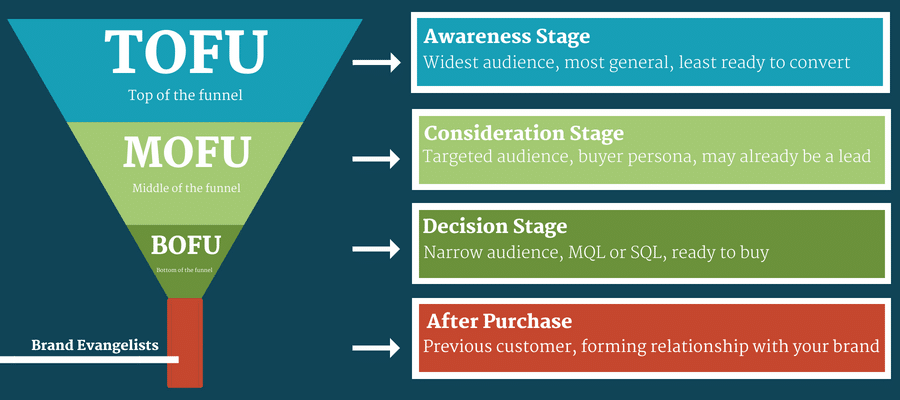
Historically, content marketing worked closely with search engines. In general, a potential customer would search for answers to a question on a search engine. Then, a helpful article, blog post, video or another piece of content would appear in the search results. The user would absorb this content, and then they might take advantage of an offer, like a discount on a product, a downloadable guide sent to their email, or another lead-converting item. Then, additional offers might usher them through the lead process.
Depending on the product and the sales funnel, the prospective customer might take in several different content pieces before converting. But these different content pieces would work together to move prospective customers down the sales funnel. For many companies, this model became a cornerstone of digital marketing.
AI Is Changing Content Discovery
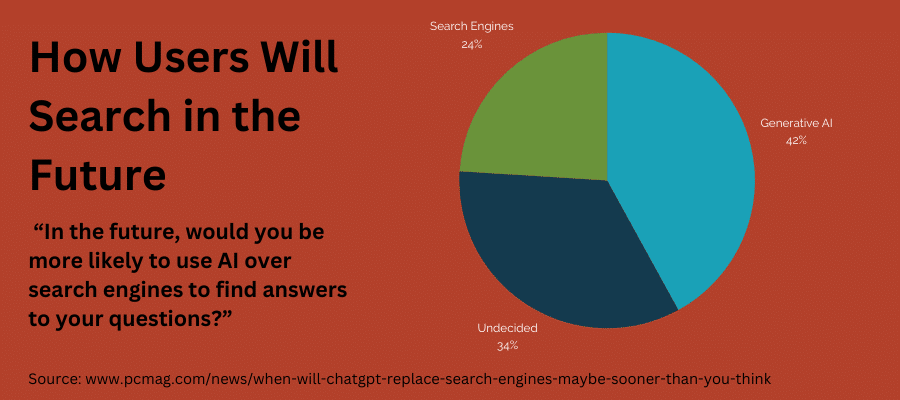
A survey of over 600 respondents by Aberdeen and PCMag shows that many users see themselves using generative AI tools over search engines in the future.
AI assistants are rapidly becoming a new medium for finding information. Instead of searching multiple websites, users increasingly rely on AI tools to summarize answers, explain topics, and provide recommendations.
Search engines are also evolving in the same direction. Generative search results can compile information from multiple sources and present a direct answer without requiring users to click through to individual pages.
For users, this can make research faster and more convenient. For businesses that rely on website traffic, however, it introduces new challenges.
Traditional Content Marketing Is Losing Traffic
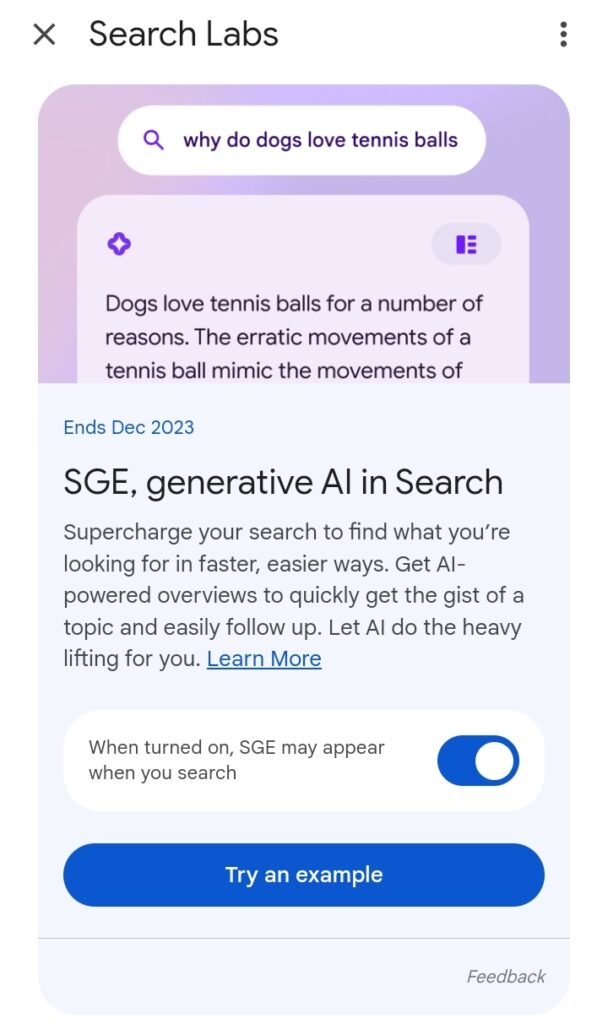
Generative tools aren’t new, they’re just changing. Google has been experimenting with them for years.
One of the biggest shifts happening today is the rise of zero-click information discovery. AI tools and search engines can now answer many informational questions directly. That means fewer users need to visit the original sources that those answers were derived from.
This process is not necessarily new. Google began using “featured snippets” as far back as 2018, and many websites saw a decline in traffic as a result. This, and several other important updates introduced the shift towards zero-click research. That trend accelerated with the use of generative artificial intelligence.
As a result:
- Informational blog posts often generate fewer clicks.
- Surface-level information is easier for AI to summarize.
- Users may get the information they need without clicking on any website.
The demand for information hasn’t disappeared. People are still researching products, learning about industries, and comparing solutions. But they are accessing information differently.
What This Trend Means
AI systems don’t develop new information on their own. Instead, they rely on existing content to generate answers. They analyze and synthesize information from websites, publications, and other sources to produce responses. Without high-quality content, AI simply wouldn’t have reliable information to work with.
This means that AI isn’t replacing content marketing or content generation. What is changing is the type of content that provides the most value. Generic articles that repeat commonly available information are easier for AI to summarize. Unique expertise, insights, and original perspectives are much harder to replicate, and are becoming much more valuable.
That shift is redefining the role of content marketing.
The New Role of Content Marketing
In the past, answering a question clearly and accurately was often enough to attract search traffic. Today, that baseline level of information is easier for AI to provide directly.
To stand out, content—and content marketing—needs to offer something more. Businesses that succeed with content marketing in the AI era tend to focus on:
- Real expertise backed by years in the industry
- Unique perspectives
- Original data or research
- Practical experience
- Industry insights
As AI reshapes information discovery, authority and expertise are increasingly important. Search engines and AI systems both try to prioritize reliable, credible sources. Businesses that consistently demonstrate expertise in a particular subject area are more likely to be referenced, cited, or recommended. This process is similar to winning top SERP (search engine result page) spots; while hundreds of businesses might produce content on a similar subject, only a few would win top SERP spots and actually get clicks.
This shift away from generic content has also ushered in a shift toward content ecosystems—groups of related resources that establish clear expertise around a topic. This shift requires a different approach to content strategy.
7 Ways to Rework Your Content Marketing Strategy for AI
With all of this in mind, how can you rework your content marketing strategy to suit the AI age? Knowing how AI works and how consumers are searching, we can make a few predictions that are likely to get results.
1. Focus on Original Insights
If your content simply repeats what dozens of other articles already say, AI systems can easily synthesize that information into a response without needing to direct users to your website. As a result, content that only covers basic facts or definitions is becoming less valuable as a traffic driver.
To remain effective, businesses should prioritize content that includes original thinking and real expertise. In journalism, these are called primary sources, and they’re much harder to replicate or avoid.
These original insights might include industry analysis, insights gained from working with customers, proprietary research, or lessons learned from real-world projects. When your content introduces new perspectives or information that cannot be found elsewhere, it becomes far more difficult for AI systems to replicate entirely—and far more valuable to the audience you are trying to reach.
2. Create Content That AI Wants to Cite
Although AI tools often summarize information, they still rely on credible sources to build their responses. Content that is clearly written, well structured, and authoritative is more likely to be referenced when AI platforms generate answers about a topic. Just like past experiences with featured snippets, getting cited means increasing the likelihood that users will visit your site.
For marketers, this means focusing on clarity and credibility. Content should explain complex ideas in straightforward language, organize information logically, and support claims with reliable data or examples. When your content consistently serves as a reliable source of information, it increases the likelihood that both AI systems and human readers will view it as authoritative.
3. Build Topic Authority
Many traditional content strategies focused on publishing individual blog posts targeting specific keywords. While that approach worked well for search engines in the past, the rise of AI-driven research is shifting the emphasis toward topic-level expertise rather than isolated pieces of content.
Today, it is often more effective to build comprehensive coverage around the subjects that matter most to your audience. This might involve creating a detailed pillar page that introduces a topic and then supporting it with related articles, case studies, and deeper explorations of specific subtopics. Over time, this interconnected body of content signals that your organization has meaningful expertise in a particular area, which helps both search engines and AI tools recognize your authority.
4. Prioritize Bottom-of-Funnel and Decision Content
AI is particularly effective at answering basic informational questions, but the buying process rarely ends there. When people evaluate potential vendors, products, or solutions, they often want more detailed and nuanced information than a short AI-generated summary can provide.
This creates an opportunity for businesses to focus more heavily on decision-stage content. Resources that compare solutions, explore implementation considerations, or highlight real-world results are still valuable to potential customers who are actively researching options. This might include case studies, buyer’s guides, or in-depth solution pages.
5. Explore Different Channels
For many years, search engines served as the primary distribution channel for content marketing. While search is still important, diversifying your channels means optimizing your chances of being seen.
Consider each piece of content as the foundation for a broader set of assets that can be shared across multiple channels. Insights from a blog post might become a LinkedIn article, a webinar topic, a short video, or a segment in an email newsletter. By distributing content in different formats and across different platforms, you can reach audiences wherever they spend their time and reduce their dependence on a single traffic source.
6. Strengthen Authority
As AI tools continue to evolve, recognizable and trusted brands are likely to receive greater visibility in recommendations and responses. Systems designed to provide reliable information often prioritize sources that demonstrate credibility, authority, and consistent expertise. This process is not new; Google has made Experience, Expertise, Authoritativeness, and Trustworthiness (EEAT) a factor in generating SERPs for some time.
Businesses can strengthen these signals by investing in thought leadership and industry visibility. Publishing insights from subject-matter experts, participating in industry events, collaborating with respected partners, and earning media coverage all contribute to a stronger brand presence. Over time, these activities reinforce your organization’s reputation as a trusted authority, which increases the likelihood that your content will appear in both traditional search results and AI-driven recommendations.
7. Measure Success Thoughtfully
Many content marketing programs have historically focused on website traffic as the primary indicator of success. While traffic remains a useful metric, it may no longer capture the full impact of content in an AI-driven landscape.
Businesses may need to evaluate a broader set of outcomes and KPIs, such as lead quality, influence on sales opportunities, engagement from decision-makers, and the role content plays in guiding prospects through the buying process. Content may still shape customer decisions even if the initial discovery happened through an AI interface. By focusing on business results rather than traffic alone, organizations can better understand the true return on their content investments.
Content Marketing is Changing
The bottom line is that content marketing is changing. AI is transforming how people discover information online, and effective strategies must change too.
In many ways, the shift is encouraging businesses to produce better, more meaningful material. Instead of publishing large volumes of generic articles, companies must focus on expertise, insight, and real value. Organizations that adapt to this new landscape can continue to attract attention, build trust, and generate leads through content marketing.