


Technology continues to evolve, and the digital marketing landscape continues to evolve with it. New developments have made digital marketing more competitive than ever, but also given businesses more opportunities to get ahead. Those who are able to capitalize on these opportunities with both caution and agility will see the biggest benefits. Let’s take a look at the digital marketing trends to watch in 2026.
11 Digital Marketing Trends to Watch in 2026
The 2026 digital marketing trends shaping the industry are about refining strategy, improving user experience, and building trust with increasingly informed audiences. From privacy legislation to AI-driven personalization, these trends will influence how brands attract, engage, and convert customers in the year ahead.
1. Increasing AI-Powered Personalization
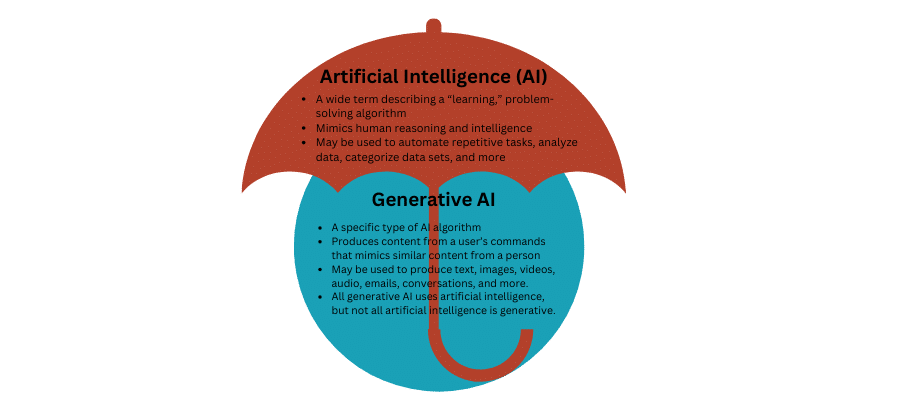
Artificial intelligence is a broad term, while generative artificial intelligence is a more specific type of AI.
Artificial intelligence and generative artificial intelligence are quickly becoming an expectation for businesses of all sizes and types. In 2025, about half of digital marketers reported using AI in their operations. In 2026, websites and marketing platforms will increasingly utilize AI to personalize content, messaging, and user journeys based on behavior, intent, and real-time data. Rather than delivering the same experience to every visitor, businesses that succeed will use AI to adapt pages, recommendations, and calls to action dynamically while maintaining a human, brand-consistent voice.
It’s important to carefully plan and consider how AI will be used in your business, and to ensure it’s thoroughly tested before roll-out. Many uses of AI have resulted in embarrassing stories for businesses and frustrating experiences for customers. AI tools should be used as an assistant to real people, not as a replacement—users will know the difference.
Key takeaway: AI can be a powerful tool, but it must be used with care and transparency to make sure users are comfortable and actually enjoying the experience.
2. Search Expands Beyond Traditional SEO
 Previously, we’ve written about artificial intelligence potentially replacing search engines as users’ preferred search tools. This trend has continued to evolve as more and more users look to AI tools like ChatGPT, Gemini and Copilot for their research, work, and questions. This activity is quickly changing the SEO and digital search environment.
To take advantage of this trend and continue to derive value from text-based content, websites must be structured clearly, load quickly, and demonstrate real value to users. Search success in 2026 will depend on how well content answers questions, supports intent, and delivers a seamless user experience from the first interaction. Original research, first-hand accounts, new developments, and unique benefits and delivery mechanisms will also help you stay ahead of the zero-click trends behind AI results. For example, communicating directly with customers through newsletters, a library of educational content, podcasts, social media, and other means may become increasingly important to maintain valuable relationships.
Key takeaway: Users are moving away from search engines in favor of AI, which means fewer website clicks. Providing content and experiences that stand out will help you stay ahead.
3. Privacy Laws and Tracking Regulations Shape Strategy
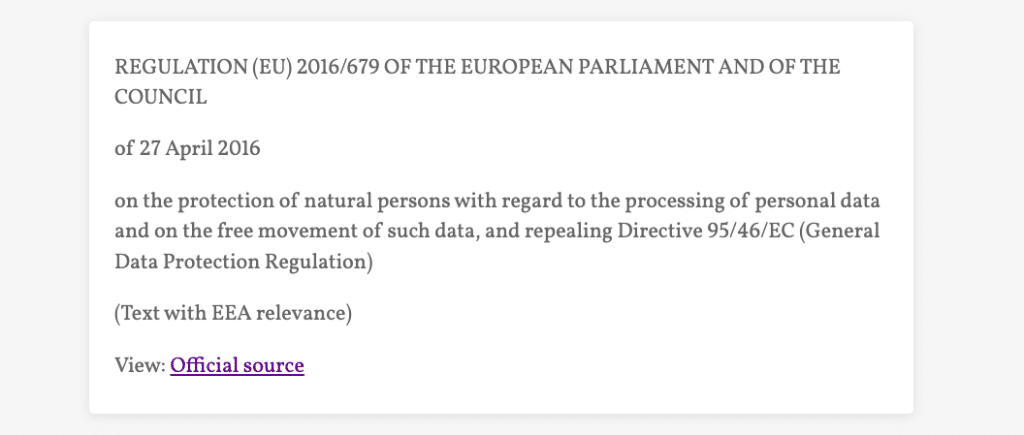
Privacy-focused legislation such as GDPR and CCPA continues to influence how digital marketing operates, and this impact will only grow in 2026. Many other states, countries and regions are following the EU’s example and enacting laws similar to GDPR. This means consent requirements, data transparency, and limitations on tracking affect analytics and advertising are likely to expand.
Businesses must rethink how they measure success and invest in consent management platforms and compliant tracking solutions. Rather than being viewed as a burden, strong privacy practices can be a trust signal that can differentiate your brand.
Key takeaway: If you haven’t considered your data privacy and tracking policies yet, it’s time. Cookieless tracking and similar strategies may give you less data, but more customer confidence.
4.First-Party Data Becomes the Foundation of Marketing
As third-party cookies continue to disappear, businesses must rely more heavily on first-party data collected directly from their audiences. Email subscriptions, CRM platforms, on-site engagement, customer surveys and gated content will play a central role in understanding customers. In 2026, effective digital marketing strategies will focus on earning trust and clearly communicating how data is used, rather than relying on passive tracking methods that are becoming less reliable.
Key takeaway: Get to know your customers, especially your most valuable customers. Understanding what products, content, services, and strategies they respond to will give you valuable data to move forward.
5. Website Performance Drives Rankings and Revenue
Website performance remains a critical factor in both search visibility and conversion rates. Slow load times, unstable layouts, and poor mobile performance directly impact user trust and engagement. One of the most practical 2026 digital marketing trends is the renewed focus on speed optimization, clean code, and efficient web hosting. Businesses that invest in performance improvements often see gains not only in SEO, but also in lead generation and customer satisfaction.
Key takeaway: Your site must load quickly and be easy to navigate. Both users and search engines will no longer prioritize sites that don’t.
6. Accessibility-First Design Moves Into the Mainstream
Accessibility is no longer an afterthought or a compliance-only consideration. In 2026, inclusive design practices will be expected across industries. Accessible websites improve usability for all visitors, including those using assistive technologies, and they often perform better in search engines as a result. Clear navigation, readable typography, and thoughtful color contrast contribute to better experiences and broader reach.
Key takeaway: Clean, easy navigation not only helps users with disabilities, but also helps users who use smaller screens, like mobile devices, and helps your website performance overall.
7. Content Quality Outperforms Content Volume
With web traffic declining thanks to increasing use of AI, the pressure is on to create the best content and keep users’ interest. However, simply creating more content is likely not the answer. The pressure to publish constantly is giving way to a stronger emphasis on quality and usefulness. Search engines and users alike reward content that demonstrates expertise, answers real questions, and provides original insight. One of the most important 2026 digital marketing trends is the shift toward fewer, higher-quality pieces of content that are well-researched, clearly structured, and aligned with audience needs.
Key takeaway: Ask what users want from your content, and what makes it unique. Use that as a foundation to create insightful pieces that users can’t get elsewhere.
8. Short-Form Video Becomes More Intentional
Short-form video continues to dominate attention across platforms, but in 2026, success will come from strategy rather than volume alone. Brands are using video not just for visibility, but for education, credibility, and relationship-building. Effective video content is concise, authentic, and designed to be repurposed across multiple channels, maximizing impact without overwhelming production resources.
Key takeaway: Plan your short-form video strategy thoughtfully, with your users and your company resources in mind. Pivot accordingly, and you’ll see results.
9. Conversion Rate Optimization Gains Priority
Driving traffic is no longer enough if visitors do not take meaningful action. Conversion rate optimization is becoming a core part of digital marketing strategies in 2026. Businesses are focusing more on user journeys, messaging clarity, and call-to-action placement to improve results from existing traffic. Small improvements in conversion rates can significantly increase return on investment without increasing ad spend.
Key takeaway: With more users relying on AI programs for surface-level research, the users who do visit your website will be more likely to take meaningful action. However, it must be easy and intuitive to do so.
10. Branding and Authenticity Influence Buying Decisions
Modern consumers are increasingly selective about the brands they engage with. In 2026, consistent branding, authentic messaging, and clear value propositions play a major role in digital success. Generic templates and stock messaging are less effective as users look for brands that feel credible, human, and aligned with their expectations. A strong digital presence reinforces trust before a conversation ever begins.
Key takeaway: Consider what your audience wants from your brand and what they appreciate. Then, consider how you can demonstrate this more clearly. That will differentiate you from competitors without a clear stance.
11. Web Design and Digital Marketing Fully Converge
Websites are no longer static brochures, but rather central marketing tools. One of the defining 2026 digital marketing trends is the full integration of web design, SEO, content strategy, and lead generation. Successful businesses approach websites as evolving platforms that support marketing goals, rather than isolated design projects completed every few years.
Key takeaway: If your website isn’t helping you generate leads, it’s time to take a hard look at it. Customers are getting online to find what they need, and if they aren’t finding you, they’re finding your competitors.
Preparing for these 2026 digital marketing trends requires more than adopting new tools or redesigning a website. It means taking a strategic, user-focused approach that prioritizes performance, trust, and long-term growth. Businesses that invest in thoughtful planning now will be better positioned to adapt as digital expectations continue to quickly evolve throughout 2026 and beyond.